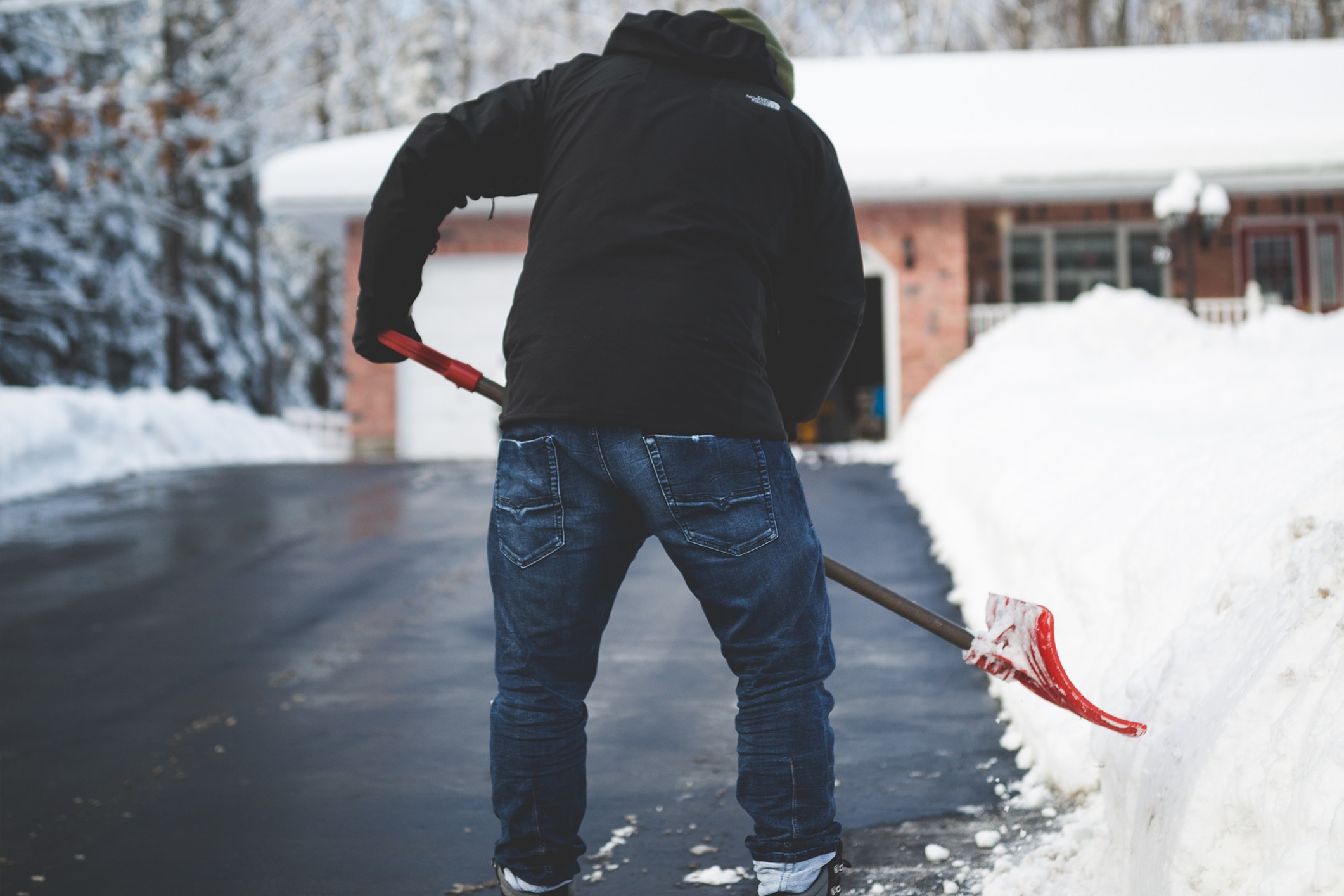
Uncovering Winter Muscle Strain
Snow shoveling may seem like a simple winter chore, but the repetitive bending, twisting, and lifting can quickly take a toll on your muscles. During the colder months, the body’s natural elasticity decreases, making muscles more prone to strains and discomfort after shoveling heavy snow. This introductory section delves into how these physical demands can lead to painful muscle conditions and what you can do to help manage and prevent them.
In the following content, you’ll learn:
- The common muscle groups affected by snow shoveling
- Practical tips for warming up before starting outdoor work
- Simple post-shoveling stretches to reduce muscle tension
- How local winter conditions can exacerbate muscle stiffness, especially in areas like Hamilton and surrounding Ontario communities
This guide is designed with actionable advice to help you understand the physical impact of snow removal and offer practical solutions. Whether you’re a homeowner or managing winter safety for your community, these insights will empower you to mitigate muscle pain and maintain an active, healthy lifestyle during the chilly months.
Quick Relief for Achy Muscles After Snow Shoveling
After a heavy bout of snow shoveling, your muscles might feel tight and sore. Follow these step-by-step tips to quickly alleviate discomfort and help your body recover:
- Rest and Cool Down:
Give your muscles time to unwind. Lie down or sit in a relaxed position in a quiet area, preferably somewhere cozy like your home in Hamilton. Allow the tension to subside slowly. - Hydrate:
Replenish lost fluids with water or an electrolyte drink. Staying well-hydrated helps flush out toxins and supports muscle recovery. Sip slowly, and continue hydrating throughout the day. - Gentle Stretching Routine:
- Begin with neck and shoulder rolls to release upper-body tension.
- Transition to gently stretching your arms and back to improve circulation.
- Finish with light leg stretches to ensure all muscle groups are relaxed.
Remember, gradual movements and consistent hydration are key to soothing post-exercise soreness. These practical steps can make a significant difference in your recovery process, helping you stay active and ready for your next winter challenge.
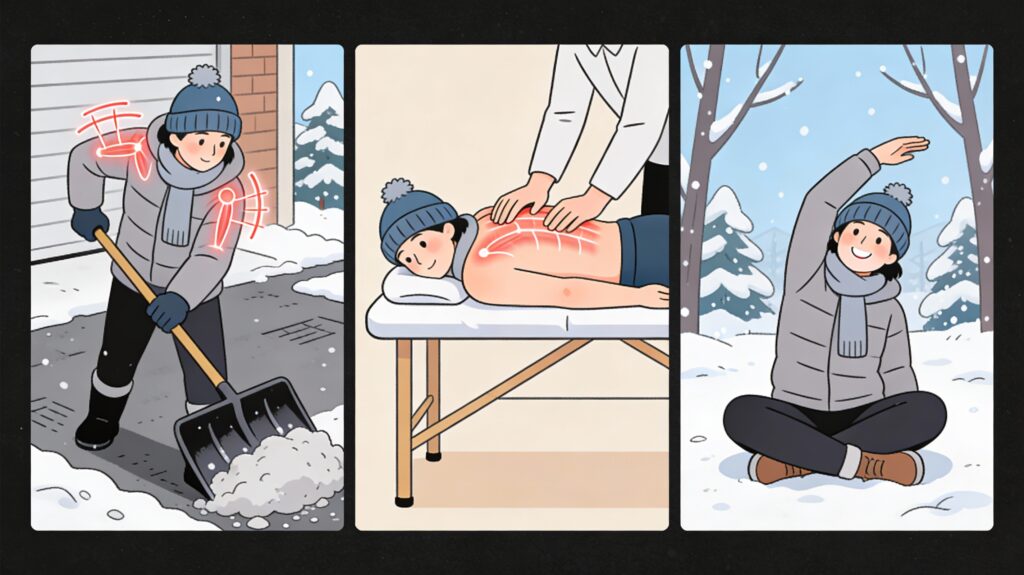
Restore Your Body After a Winter Shoveling Session
After an intense morning of snow shoveling, your muscles deserve a recovery strategy that speeds up healing and reduces inflammation. Professional massage therapy provides targeted techniques to relieve inflamed muscles, improve blood circulation, and promote overall muscle recovery. By focusing on specific trigger points and utilizing deep tissue methods, massage therapists can help reduce stiffness and ease painful muscle tension.
Consider these practical tips for post-shoveling muscle recovery:
- Stretching and Light Movement: Complement your massage sessions with gentle stretches to increase flexibility.
- Hydration and Rest: Drinking plenty of water and getting enough sleep can enhance the recovery process.
- Consistent Therapy: Scheduling regular sessions ensures that your muscles remain resilient and less prone to injury in harsh winter conditions.
In regions like Hamilton, where snowy weather is common, these targeted therapies not only provide immediate relief but also help prevent long-term discomfort. With a combination of therapeutic techniques and lifestyle adjustments, you can return to your daily activities feeling refreshed and ready to tackle another day, pain-free and with improved mobility.
Enhance Your Recovery with Complementary Techniques
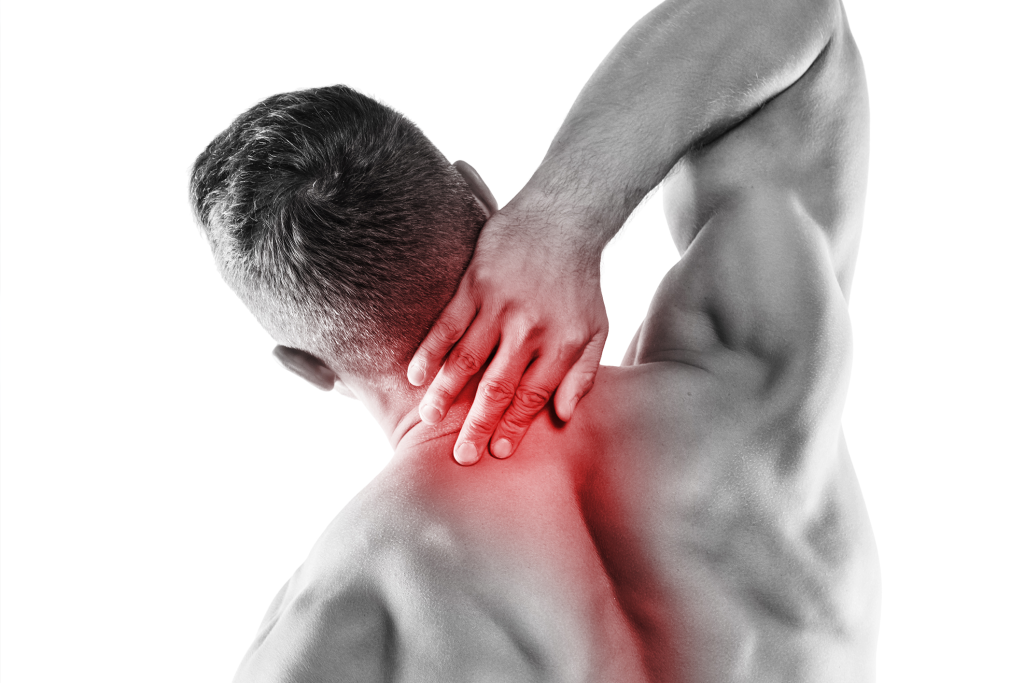
Snow shoveling can leave your muscles sore and stiff, but incorporating massage therapy with additional recovery methods can pave the way to a smoother recovery process. After a long session of physical labor, your body benefits from a well-rounded approach that targets inflammation, improves blood flow, and enhances flexibility.
Combining massage therapy with other techniques can help you bounce back faster by:
- Heat Therapy: Applying heat can relax tense muscles and improve circulation, preparing your tissue for a deeper massage.
- Foam Rolling: This self-myofascial release method can break down knots and tight spots, complementing the therapist’s work.
- Gentle Exercise: Light activities, such as stretching or low-impact movements, can regain range of motion and reduce post-activity stiffness.
These strategies create a holistic recovery plan that not only reduces discomfort but also promotes long-term muscle health. Local residents in areas like Hamilton can take advantage of this integrated approach to ease muscle pain and enhance overall wellness after physically demanding tasks like snow shoveling.
How Does Snow Shoveling Lead to Muscle Pain?
Snow shoveling is a vigorous physical activity that often involves repetitive bending, twisting, and lifting. This activity can strain the muscles in your back, shoulders, arms, and legs, leading to stiffness and soreness. Overuse of certain muscle groups, especially in colder climates where muscles may be tighter, results in micro-tears that may cause pain and discomfort afterward.
Can Massage Therapy Alleviate Post-Shoveling Muscle Pain?
Massage therapy helps by increasing blood circulation, reducing muscle tension, and promoting faster healing of strained muscles. A focused massage can break down adhesions, relieve tight knots, and improve range of motion. This makes it a practical solution for those experiencing muscle pain after heavy physical exertion.
What Techniques Are Most Effective?
Common techniques include deep tissue massage, trigger point therapy, and myofascial release. Using these methods can help reduce inflammation and accelerate muscle repair.
Are There Location-Specific Benefits?
Practitioners in areas like Hamilton, Ontario, often tailor treatments to the local seasonal demands. This localized approach ensures individuals get relevant care aligned with the challenges posed by heavy winter snowfall.
How Can I Prevent Future Muscle Strain?
Incorporate stretching routines, proper warm-ups before shoveling, and consider periodic massage sessions to build resilience and support recovery.
Concluding Insights: Prioritize Your Recovery
After a strenuous bout of snow shoveling, taking time to engage in proper muscle recovery is essential. Prevention of long-term issues starts with recognizing the signs of strain and acting early. Integrating targeted massage therapy can ease muscle tension, reduce inflammation, and improve overall circulation—vital steps in preventing chronic discomfort. Consider these actionable tips:
- Schedule Regular Stretching: Maintain flexibility and prevent stiffness with daily stretches.
- Apply Localized Massage: Focus on sore areas to improve blood flow and facilitate healing.
- Rest and Hydrate: Give your muscles time to recover by balancing work with adequate rest and proper hydration.
- Consider Professional Guidance: In areas like Hamilton and across Ontario, local wellness centers often provide expert advice on muscle recovery techniques.
In essence, balancing physical exertion with dedicated recovery efforts can greatly enhance your overall well-being during the winter months. Make a commitment to listen to your body and incorporate recovery strategies into your routine. By putting your muscle health first, you pave the way for sustained mobility and a more enjoyable winter season. Keep striving for a balanced lifestyle and take control of your recovery journey today.